Editor, Commonwealth:
Before he retired, Stanley Clark was a prototypist and AutoCAD operator at a manufacturing plant in Asheville, North Carolina. We were coworkers there for three years, and he was one of my favorite people at the company. I’m a snarky little deuce myself, so I quickly took to his sarcasm and dry wit. Though he stayed with the company for many years, he complained about his job, and every time he stopped by the receptionist’s desk to see me, he opened every conversation with “Still waitin’ on someone to invent that disappearing act” — his favorite running joke.
While we worked in a town overrun by New England and Midwest transplants, his sprightly drawl made me feel at home. I felt safe to show my Southernness around him and turned my accent loose when we gossiped. Old enough to be my dad or a crotchety uncle, he served in Vietnam, which I deeply respected. We had both amassed our own collections of state quarters and traded with each other. Quarters from the Denver mint were hard to come by on the East Coast, but during my visits to Greenwood, I raided the cash register at my mom’s grocery store and scored quite a few to give him as a surprise.
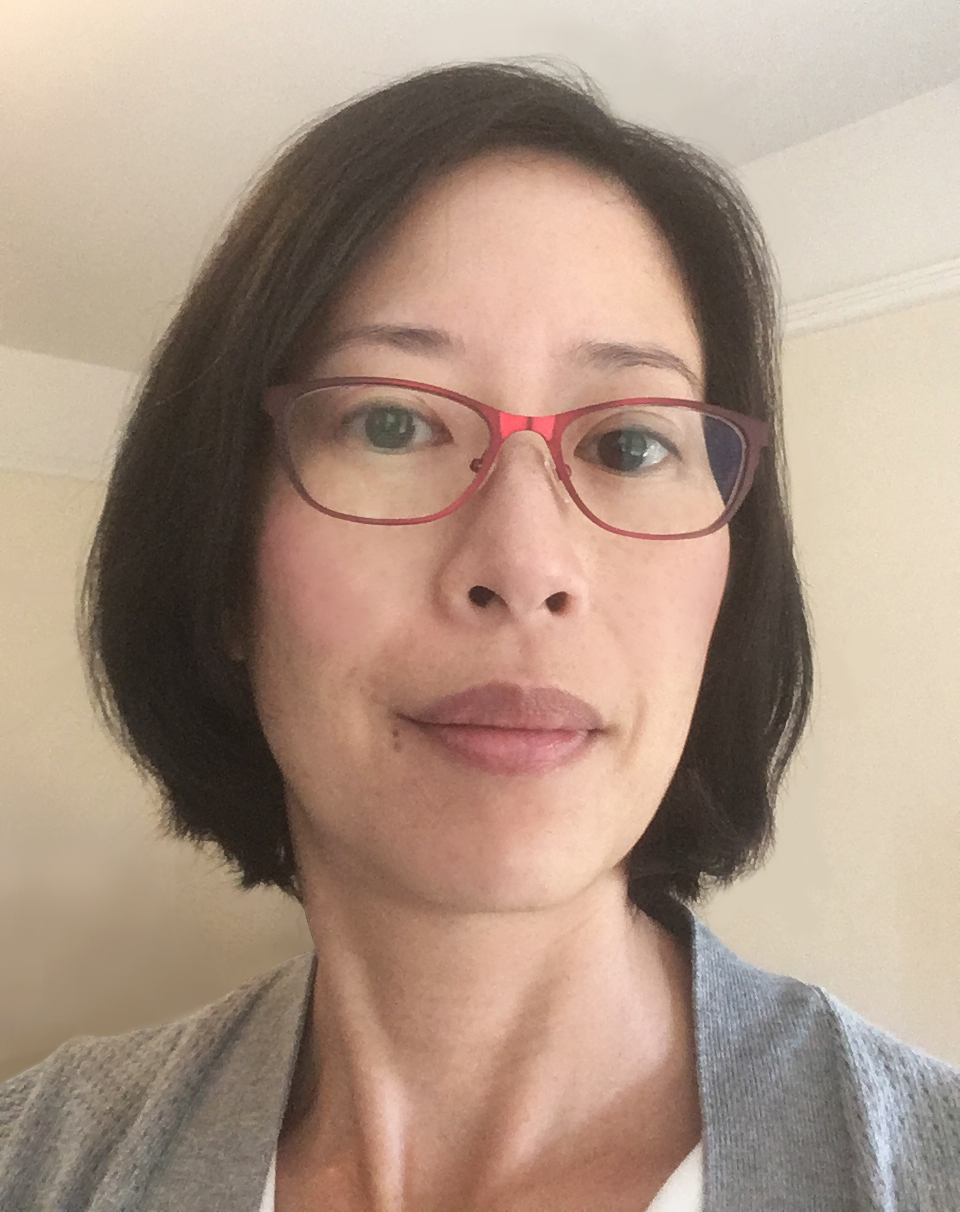 Sue Anna Joe
After I quit my job at the plant, Stan and I stayed in touch through Facebook and email. Five years later I invited him to a 40th birthday party for my partner Richard at a downtown restaurant. I wasn’t sure if he was going to show up since some of my friendships were rather flaky, but he did. After driving 30 minutes from the town of Canton in winter temperatures, he strolled in looking fresh in a bomber jacket and a black ballcap emblazoned with “RETIRED ARMY” in gold letters. His crew cut had grown into streams of gray locks, but he was the same cynical yet spirited fella. He had been staying active as the unofficial photographer of his granddaughter’s soccer team, and that night he entertained us with war stories until it was our bedtime.
Two years later I moved from Asheville to the West Coast, and we continued to talk through Messenger. I finally asked for his address and mailed him a dozen or so quarters stamped with “D.” A few days later he published a Facebook post publicly expressing his joy about the package he received. I was tickled.
Eventually I got tired of social media and quietly deactivated my Facebook account for the next two years. I didn’t stay in touch with anyone through email or text, not even Stan. I stopped collecting quarters, and by then I had ignored his email blasts because I found them corny.
In February of this year, I reached out to him on Messenger after I reactivated my Facebook account in 2020. It had been four years since we last communicated. A few days went by, and he still hadn’t replied. The message’s status icon indicated that none of his devices received my message. That was not a good sign.
I was nervous about looking at his profile, but I had to. The latest update on his timeline was posted 14 months earlier by his niece. She announced that he had died from cancer. I called Richard into the bedroom. He worked with Stan and me at the same company and knew Stan well. After he sat down next to me on the bed, I broke into tears as I told him the news.
Over the next few days, I thought about all the opportunities I had to send Stan more quarters or even just a simple email, anything to let him know he was still important to me. For some reason these things are so hard to do but suddenly seem easy when our dear ones are no longer able to receive them. Yes, life gets busy, but if we stopped complaining about all the stuff on our plates and started doing them, we’d get a lot more done than we thought.
For years the universe had been dropping me hints about mortality and the implications of getting older. The worst thing about getting older is not getting older. It’s that we start losing people important to us. The universe was easing me into that reality by starting with some of my childhood icons, as if to say, “If you’re crushed that Betty White is gone, imagine losing your childhood buddy, high school mentor, or favorite uncle.”
I was well aware of that reality, but it didn’t hit me hard until Stan died. He was one of the few people who cared enough to share details of his life, such as his granddaughter’s road trip to the women’s World Cup in Canada and the tragic death of his daughter. For someone who’s always felt shunned by people, I should have embraced his friendship more dearly. Apparently I’m just as thoughtless as the people I accuse of tossing me aside.
I’ve always had reasons for not being a good friend, and I used those reasons to protect myself. There is a cost, though. It’s called regret. Regret is the shadow of our mistakes. In my case, I had two choices: either endure the anxiety of social situations in the short term or live with regret for a lifetime.
Lately I’ve been reaching out to people. For the first time in a decade, I sent Christmas cards, and I visited people I hadn’t seen in 10 or more years. Did I feel the crippling social anxiety that has plagued me since the fifth grade? Yep. But I’m still alive, and it was worth every jittery moment. It only gets easier from here.
December 2022 marks the second anniversary of Stan’s death and his 76th birthday. I contacted his niece, who told me he was cremated in Texas, where he had been living with family during his last years. Since I can’t pay my respects in person, I plan to honor his memory with a charitable donation. It’s not exactly the way I wanted to close the circle with him, but I can’t control everything. But I now know that I have the power to write the stories of my friendships as I like. Maybe it’s not possible to be in everyone’s life all the time, but we can easily let them know we haven’t forgotten them through a card, email, text, video chat, social media and even a phone call. We are lucky to have so many options, but after someone’s gone, we have none.
Sue Anna Joe
Greenwood


